Climate change: the facts

How we got here: emissions from 1751 to now
250 years of emissions animated
View the Global Carbon Project animation above, or read on for an overview of the last 250 years or so.
The Age of Coal

The industrial revolution started in England in the 1750s. Coal began to be mined and burnt to make iron and power steam engines.
The first 50 years
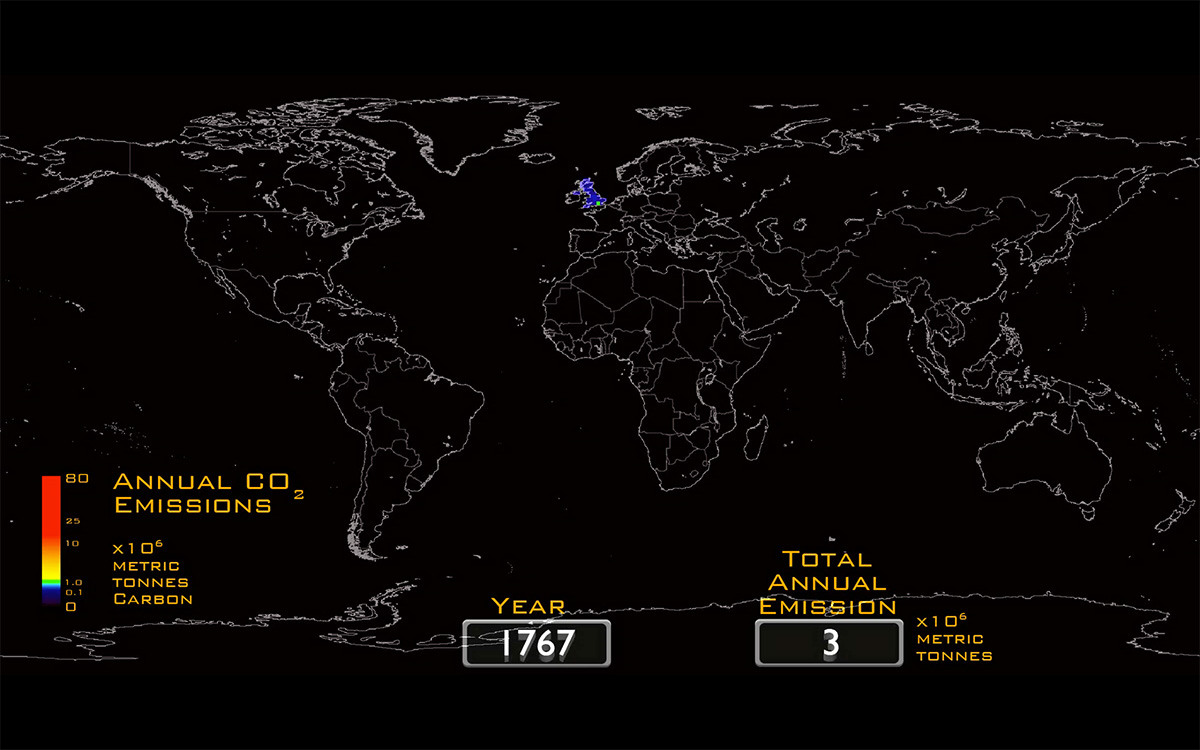
Carbon emissions over 100,000 tonnes a year are represented by a blue colour.
Early 19th century
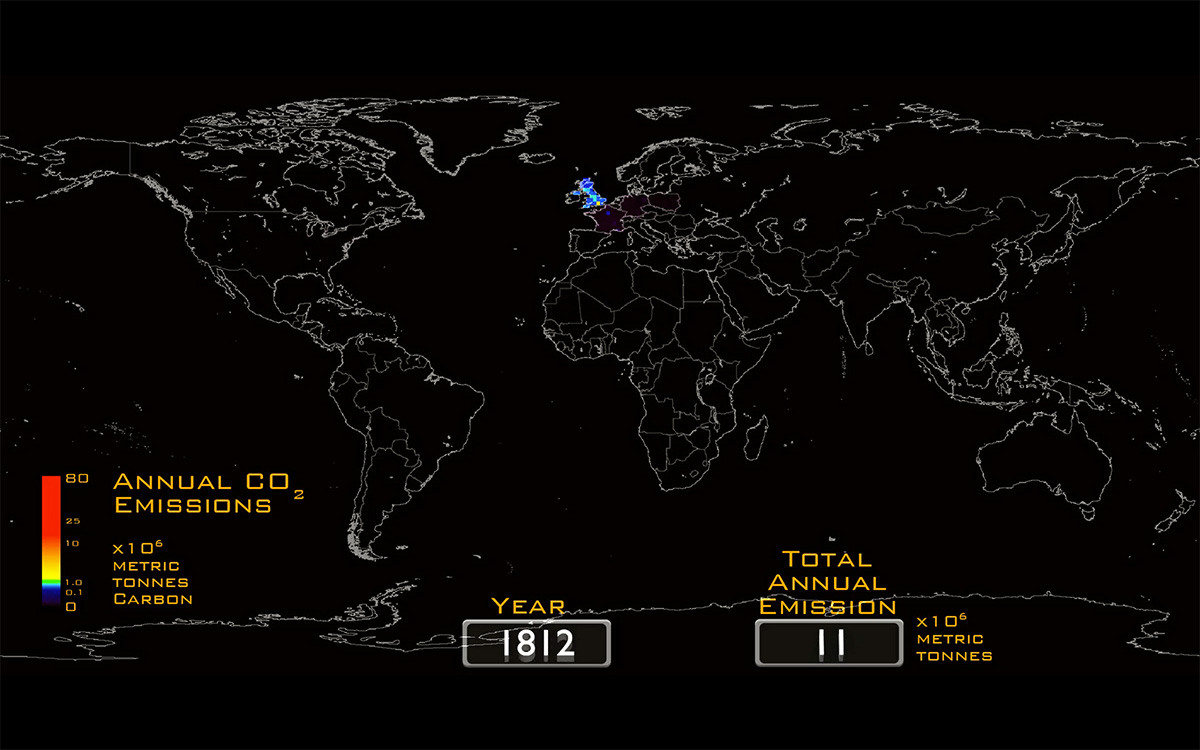
As emissions intensify to over 1 million tonnes a year a yellow colour is used. Approximately 20% of emissions from that time are still in the atmosphere now, capturing the sun’s heat.
Portsmouth’s contribution
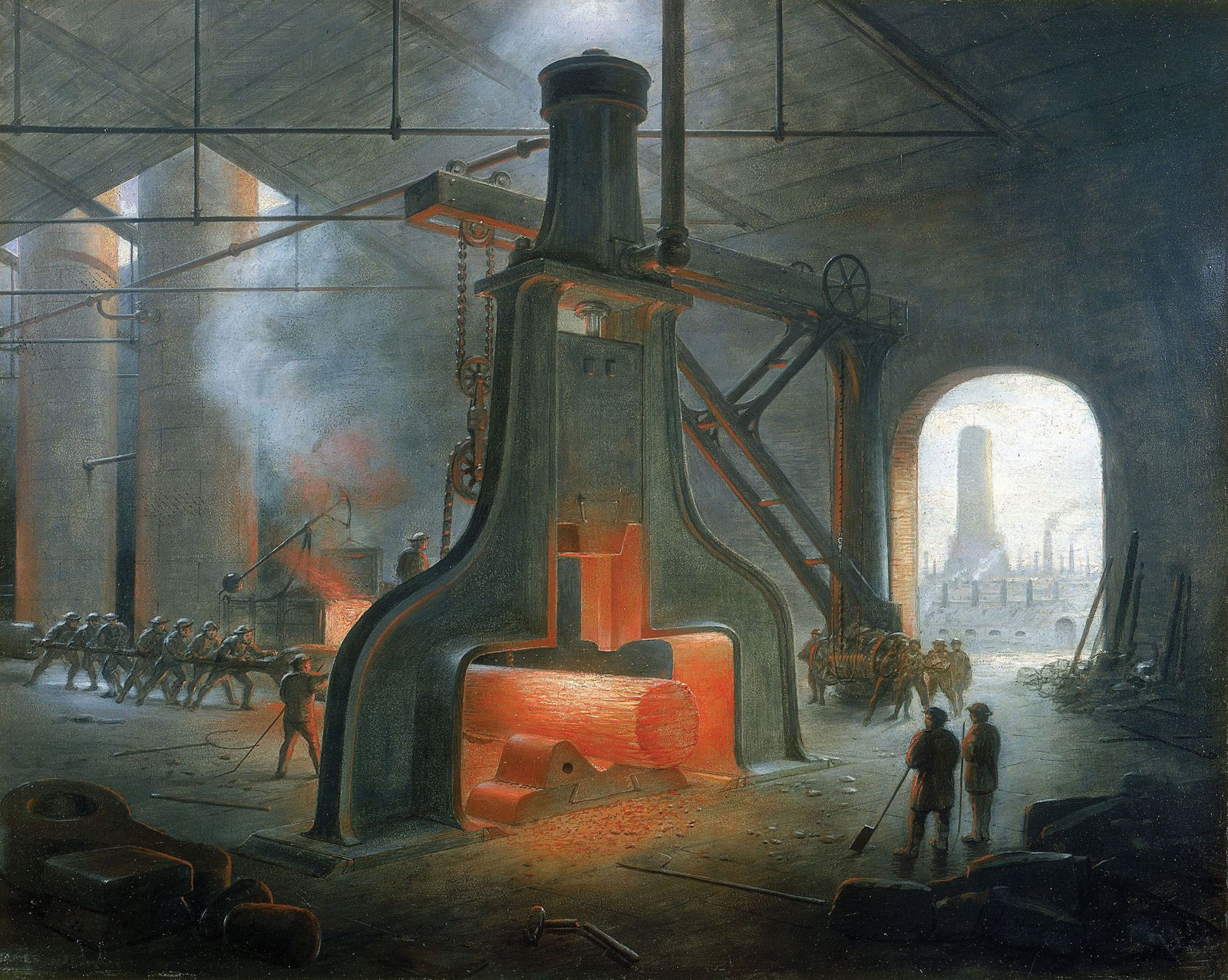
Portsmouth dockyard itself was reportedly the largest industrial site on earth by 1810, and the first metal machine production line was constructed here by Marc Isambard Brunel.
The 19th century hots up

These innovations enabled us to manufacture weapons and ships that gave us command of the seas and spread these technologies to 24% of the globe. They allowed humans to mechanise agriculture, build railways, and usher in the industralized world we now inhabit, doubling our life expectancy in the process.
Recipe for a warming planet
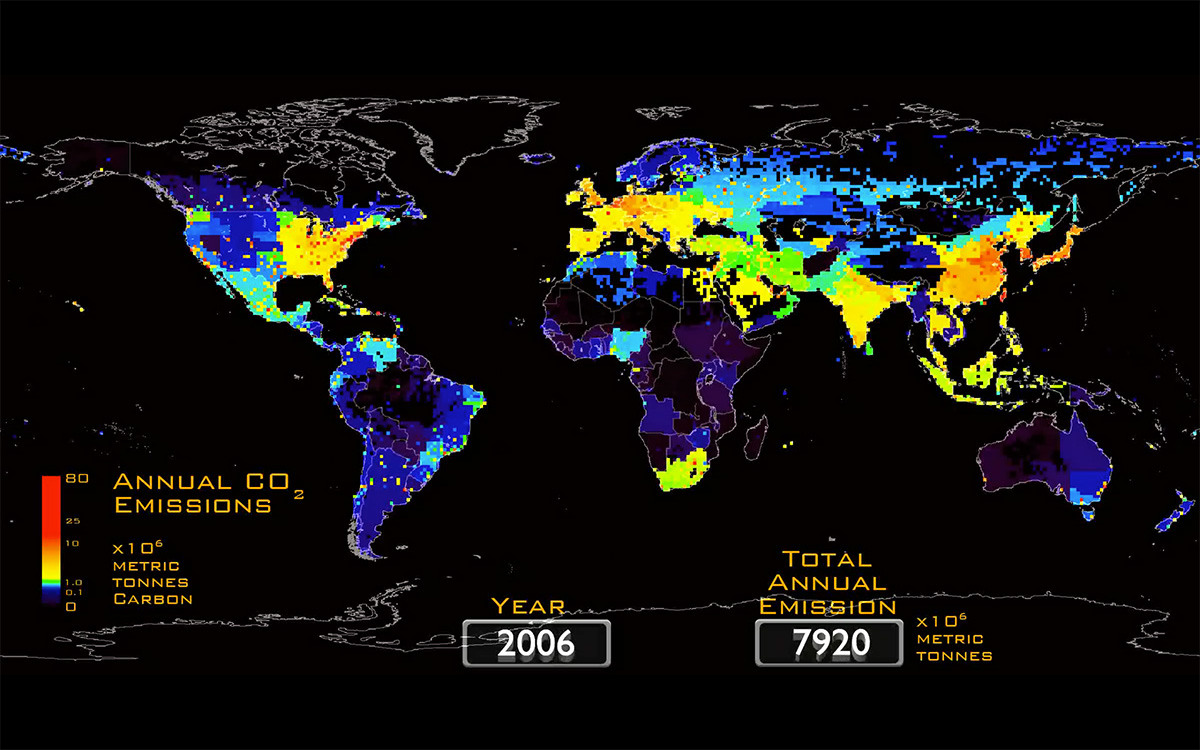
However, these industrialized lifestyles are also the drivers of man-made climate change and ecological destruction. Since their spread, global emissions have risen and risen.
Uncoupling growth from emissions

By 2017 there was a dramatic drop in the UK’s emissions of CO2 to below the levels of the 1890s – the country first into the Industrial Revolution was one of the first out. However, some of this was due to outsourcing production.
A new beginning?

On 22 April 2017, Britain went a full day without turning on its coal-fired power stations for the first time in more than 130 years, and three years later it went a whole month. It currently generates up to 60% of its electrical energy from solar and wind.
No more coal
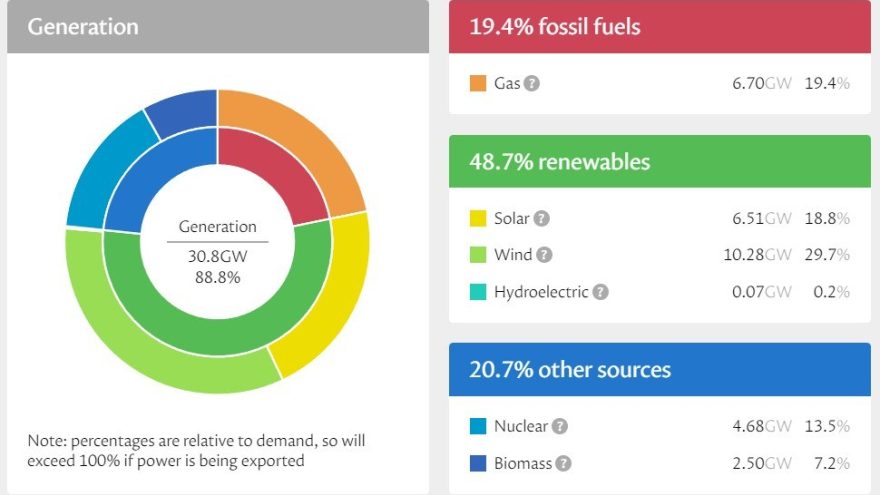
The last coal power station in the UK closes down: as of 1st October 2024, no UK electricity is generated by burning coal. This is a victory for campaigners who, in 2009, successfully lobbied the government to stop building such power stations.
Our understanding of climate change: a timeline
-
1824
Joseph Fourier calculates that the Earth ought to be much colder- at its distance from the Sun. He suggests something in the atmosphere must be acting like an insulating blanket.
-
1856
Eunice Foote discovers that blanket: showing that C02 and water vapour in the atmosphere trap escaping infrared radiation.
-
1896
Swedish chemist Svante Arrhenius concludes that industrial-age coal burning will enhance the natural greenhouse effect.
-
1950s
Oil companies first become aware of the impacts of their industry on the climate.
-
1957
US oceanographer Roger Revelle and chemist Hans Suess show that seawater will not absorb all the additional CO2 entering the atmosphere, as many had assumed. Revelle writes:
Human beings are now carrying out a large scale geophysical experiment…
-
1975
US scientist Wallace Broecker puts the term ‘global warming’ into the public domain in the title of a scientific paper.
-
1988
The UN sets up an international panel of scientists (the IPCC) to compile all the published scientific evidence on climate change into a report.
-
1989
Margaret Thatcher gives a speech to the UN where she details the dangers of global warming. She says:
We are seeing a vast increase in the amount of carbon dioxide reaching the atmosphere... Whole areas of our planet could be subject to drought and starvation if the pattern of rains and monsoons were to change as a result of the destruction of forests and the accumulation of greenhouse gases.
-
1990
The IPCC publish their first report. It warns that global warming could lead to major health impacts, changes to the availability of water and food, increased spread of disease and sea-level rises.
[source]
Territorial carbon dioxide emissions from fossil fuels and cement
Where we are now
The emissions from the last 270 years have led to an average surface temperature rise of 1.2°C across the world. The impacts of that are felt differently in different geographical regions and sectors of the global economy.
Europe

“New records are being set around the world due to climate change, and the adverse effects are already affecting agricultural production in Europe”
The European Environment Agency
2018 was the hottest year in German history and saw grain production described as “grim” by a regional agricultural association.
In the same year, south-west Sweden yields were the lowest for 25 years – 50% lower, or more in some cases.
The picture was little different in the Netherlands, where Iris Bouwers, a 25-year-old farmer, said the parched summer had been a “catastrophe” for her farm.
Older families around me are comparing this to 1976,” she said. “My dad can’t remember any drought like this.
Thomas Duffy, an Irish dairy farmer from County Cavan, said the drought:
…won’t break us, but our feeding costs are 50% higher than last year and all the money we’d normally be putting into improving conditions for the cows and infrastructure is now going to silages [winter feed] and buying forage.
The heatwaves and droughts continued into 2019 which led the Swiss government to talk about the “grave consequences” for its agriculture.
And in Finland, a major producer of spring barley and oats, soil fertility is declining as more frequent wet and dry spells strip the earth of nutrients.
The World Weather Attribution group, an international partnership between six research centers/groups including NOAA’s National Center for Atmospheric Research, found that human-cause climate change increased the likelihood of the 2018 summer heatwave by five times in Denmark, three times in the Netherlands, and two times in Ireland.
California
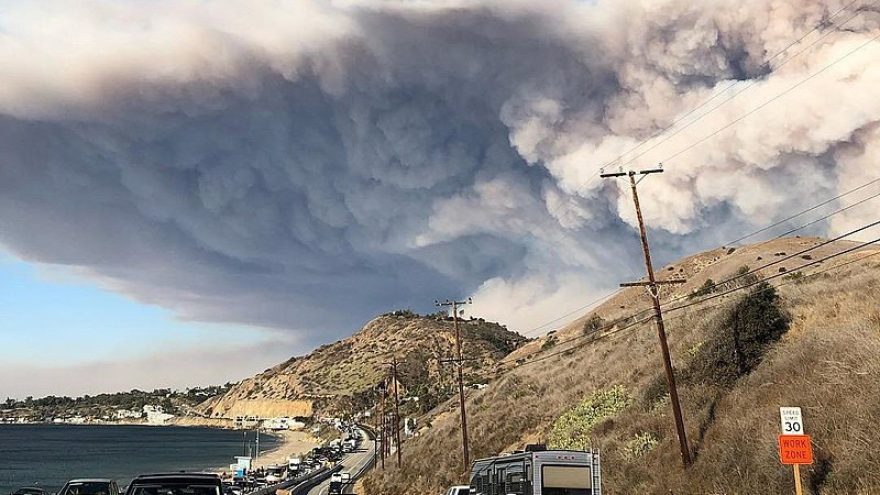
California experienced the deadliest and most destructive wildfires on record in 2017 and 2018.
These fires have also been the most expensive in state history, with claims reaching $28.8bn in total.
The increasing destruction is making it more costly for people to obtain homeowners' insurance, which is impacting house sales.
It’s also led to an insurance company going bust, and some refusing to cover residents in fire-prone areas.
Experts broadly agree that the climate crisis is making the conditions for wildfires worse.
Since 1970, temperatures in the western US have increased by about double the global average, lengthening the local wildfire season by several months and drying out large tracts of forests, making them more fire-prone.
One of the consequences of this is that a large number of trees in the region- nearly 129m- have died since 2010. Dead trees act as explosive fuel when wildfires start.
A major climate assessment by the US government states:
Climate change is increasing the vulnerability of many forests to ecosystem changes and tree mortality through fire, insect infestations, drought and disease outbreaks.
Yorkshire

Flash floods have affected the area throughout the 21st century, with events occurring in 2009, in 2012, and 2016.
In 2019 Environment Agency had 39 flood warnings in place across the country, including five severe warnings on the River Don in South Yorkshire.
About 400 homes were flooded and 1,200 properties evacuated in the area.
Pam Webb, who owns a spa in Fishlake, bought her property in 2004. Commenting on surveys done at the time, she said:
There was nothing of any concern raised, Fishlake hadn't flooded in 100 years.
Ms. Webb subsequently found out her insurance would not cover the damage because of a flood exemption on the policy.
It's my home and my business," she said. "I work with a great team of girls and that's their livelihoods affected and my own as well.
A local farmer, Robert Robinson, said:
My whole farm is just covered in water. We've animals that are suffering because of the water and we can't get in and out without tractors.
Recently a large study involving research institutions in 24 European countries including the University of Bath and University of Liverpool, found that “an increase in autumn and winter rainfall caused by climate change has led to increasing floods in the UK and north-western Europe”'
This heavier rainfall occurs because a warmer atmosphere holds more moisture. For every 1C increase in temperature, the air can hold about 7% extra water vapour.
Professor Piers Forster from the University of Leeds said:
When coupled to warmer, wetter winters generally, as expected from climate change, the ground becomes more saturated so any rainfall will give a greater chance of flooding.
Stephen Gilleard, another farmer from Fishlake village, said:
You learn to live with nature and, as a farmer, you deal with things but you can't deal with this.
Global Economy

The UK Government’s chief economist in 2006, Nicholas Stern, calculated that it would cost 1% of GDP to tackle climate change if we started immediately. If we didn't, the cost of dealing with the results could reduce income per head up to 20%.
Over a decade later, in 2019, the Governor of the Bank of England warned that companies and industries that are not moving towards zero-carbon emissions will be punished by investors and go bankrupt.
Mark Carney also told The Guardian newspaper it was possible that the global transition needed to tackle the climate crisis could result in an abrupt financial collapse. He said the longer action to reverse emissions was delayed, the more the risk of collapse would grow.
Where are we heading?
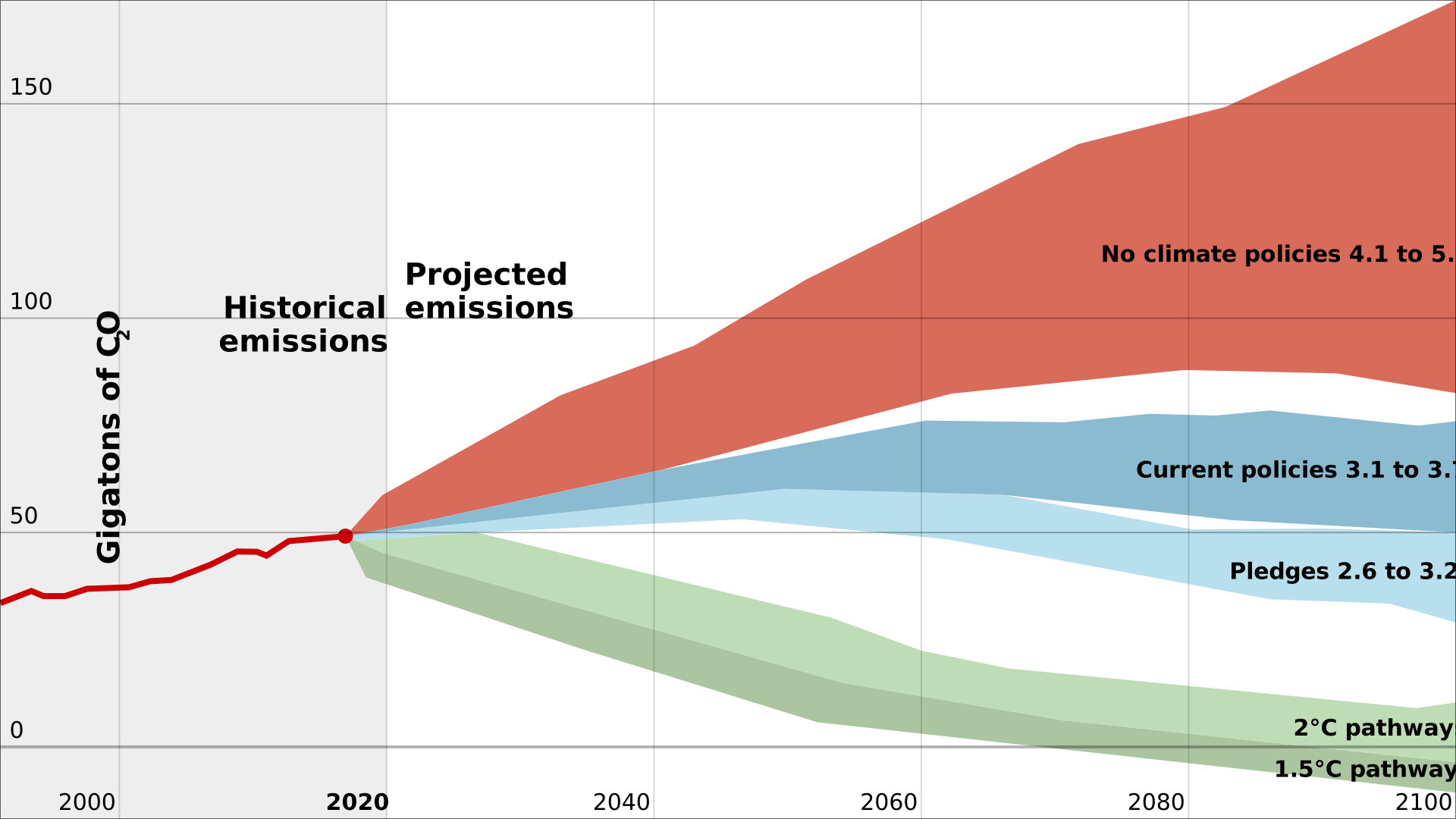
We’ve seen the impacts at just 1.2°C of warming above pre-industrial temperatures. But where are we heading? If all the countries stuck to the pledges in the Paris Agreement, it would still result in 2.6°C of warming. As it is, no countries are currently on course to meet those pledges, and we are globally on the path to rises of 3.5°C.
What does this mean for Portsmouth?

An island in an interconnected world
The 2008 financial crash started in the United States but hit most Western economies including the UK, leading to job losses and mortgage defaults locally.
A brutal war in Syria led to a refugee crisis from 2012 onwards, with nearly 6 million Syrians seeking asylum across the EU and world. In Portsmouth, some residents went to join ISIS and we have housed 100s of asylum seekers since the war started.
Covid-19 spread from a province in China to most countries on earth, and has resulted in 232,000+ deaths in the UK. In Portsmouth, there have been over 60,000 confirmed cases to date and over 500 deaths.
All of these examples show that our world is interconnected: we can’t stop the impacts of global events – good or bad – from reaching our city shores. What we can do is make sure we are resilient to cope with these challenges and can rise to meet them.
The Climate Emergency presents even more of a shared fate: carbon emissions respect no borders and stay in the atmosphere for hundreds of years, warming all parts of the globe.
In summary, what we do here affects everywhere else and vice versa. There’s no better example of that than the industrial revolution, which started in Britain. Portsmouth played an important role in that. It can also play an important part in the new technological and cultural revolution needed to green the global economy and secure a liveable future for our children. We have no time to lose.
The opportunities

-
Over the last ten years, annual growth of the UK Gross Domestic Product (GDP) has been between 1.5% and 3.1% while the green economy has consistently grown at around 5%.
-
The UK low carbon and renewable energy economy grew by 6.8% in 2017 to reach almost £45 billion by the end of 2017.
-
Over 200,000 people (full time equivalents) currently work in the low carbon and renewable energy economy with many more employed through supply chains.
-
Analysis for the Committee on Climate Change estimated that the low carbon economy has the potential to grow 11% per year between 2015 and 2030 – four times faster than the rest of the economy – and could deliver between £60 billion and £170 billion of export sales of goods and services by 2030.
-
Local authorities are key players in the local economy, spending over £100 billion annually, providing them with an opportunity to drive growth in the low carbon goods and services sector. In the fiscal year ending in 2019, total UK public spending is expected to be £817.5 billion.
-
According to a recent BEIS survey, 65% of all 18 to 24 year olds (which equates to 3.7 million people in the UK) were interested in working in the green economy.
-
The government estimates that the green economy will create two million jobs between now and 2030.
[source text]
The risks
Built environment
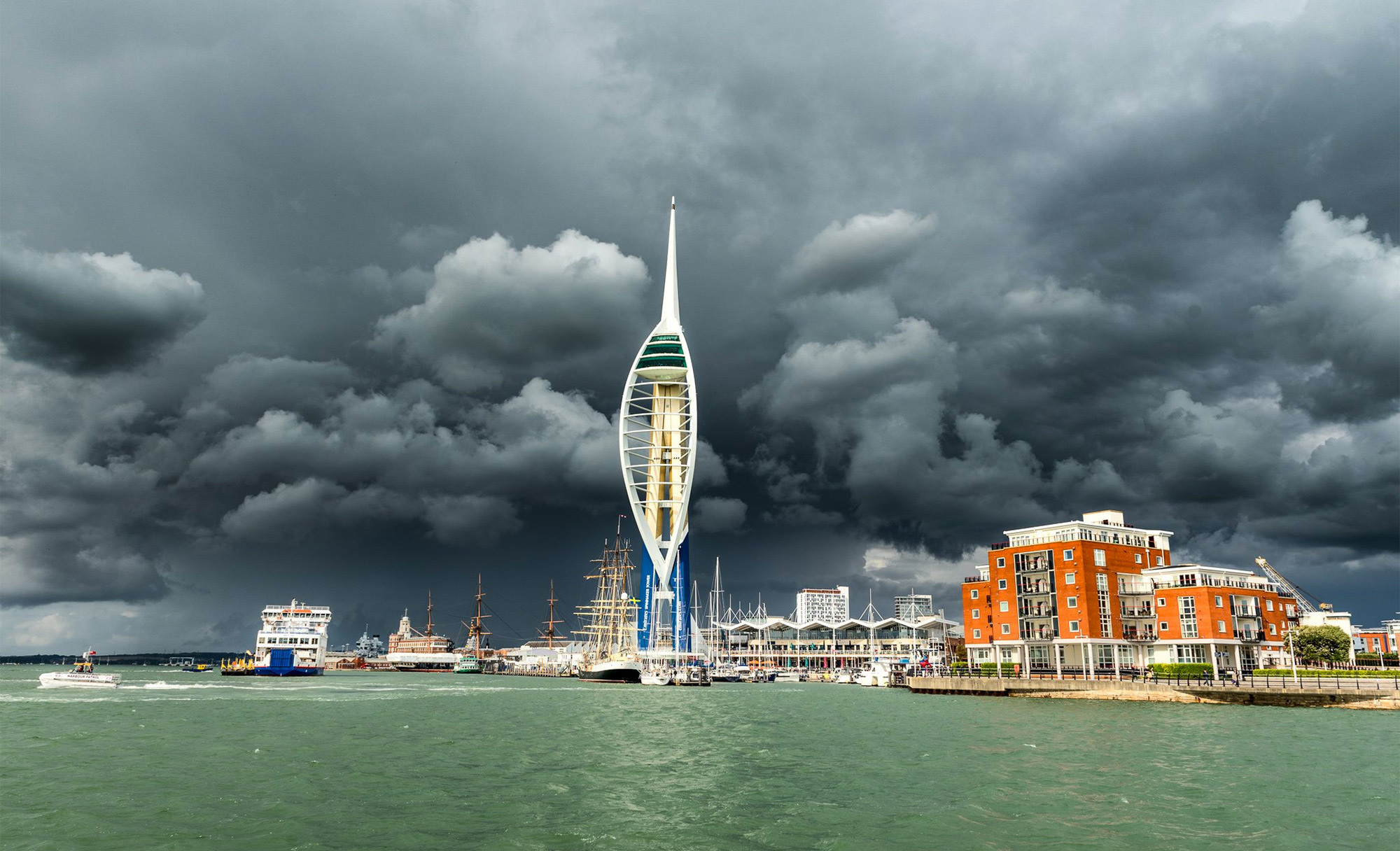
Portsmouth is one of only two island cities in Europe. This makes it uniquely vulnerable to extreme weather events. If CO2 continues to be emitted at its current rate the sea surrounding Portsmouth is likely to rise by 0.37m to 0.59m by 2059. While new sea defences are due to be constructed, they will struggle to protect the city if carbon emissions are not curtailed.
By 2050, the maximum average summer temperature is forecasted to increase 3-5°C. The dense urban environment makes Portsmouth susceptible to dangerous levels of heat. The abundance of concrete / tarmac means that heat from the sun is more readily absorbed during the day. This heat then released after sundown, meaning residents get no respite. Combined with the additional human activity in a densely populated area, Portsmouth is vulnerable to prolonged and intense heat waves.
Natural environment
Green space and trees play an important role in cooling the urban environment and mitigating against the impacts of flooding. Green space in Portsmouth is sparse, particularly in lower-income areas, with a canopy cover of just 9.8%.
The increasing heat will worsen this situation when drought and a lack of irrigation starts to erode green space. As one of the most southern cities in the UK, and home to a major international port, Portsmouth will be at risk to the introduction of vector-borne diseases from mosquitoes and invasive species.
Residents
By 2050 higher temperatures will have an increasing impact on vulnerable residents; this includes those over 65 (born before 1985), those living in poor health and the socially isolated. This will be exacerbated by the already high levels of air pollution.
If the city continues to maintain and increase its car use, by 2050 a growing number of residents will die each year from cardiovascular and respiratory conditions linked to air pollution.
Economy
Portsmouth homes are already at risk of flooding, with a 25% chance over 30 years of a major flooding event. However, flooding will not only impact residents: the city is also home to shopping centres, transport hubs, and major industries in aerospace, defence, digital media, advanced engineering and tourism. This demonstrates the vast amount of assets concentrated on our small and exposed island city, with a very limited ability to relocate themselves away from areas at risk.
The immediate cost of a flood event in Portsmouth would be devastating. Business properties and assets could be destroyed while supply chains in and out of the city, and the ability of workers to enter and leave the city, will be affected for some time afterwards. In the long term, the constant threat of a major flooding event will adversely affect the value of both business and residential properties in the city.